
A healthy septic system plays an important role in keeping your home clean and wastewater flowing properly. However, problems can develop when the leach field stops absorbing and treating wastewater as it should. Homeowners who notice unusual odors, soggy patches in the yard, or slow drains should pay attention. A failing septic leach field in South Paris can cause several warning signs that should not be ignored. Recognizing these symptoms early can help you arrange an inspection and determine what needs attention before the problem becomes more serious.
What Is a Septic Leach Field and How Does It Work?
A septic leach field, also known as a septic drain field or soil absorption field, is an important part of a property’s septic system. After wastewater flows into the septic tank, partially treated liquid moves through pipes into the leach field.
The wastewater then enters the surrounding soil, where natural processes help filter and treat it. For this process to work correctly, the soil must have enough capacity to absorb the wastewater.
When the drain field becomes saturated, blocked, or damaged, wastewater may not drain properly. This can lead to unpleasant odors, wet areas, and other signs of septic system problems.
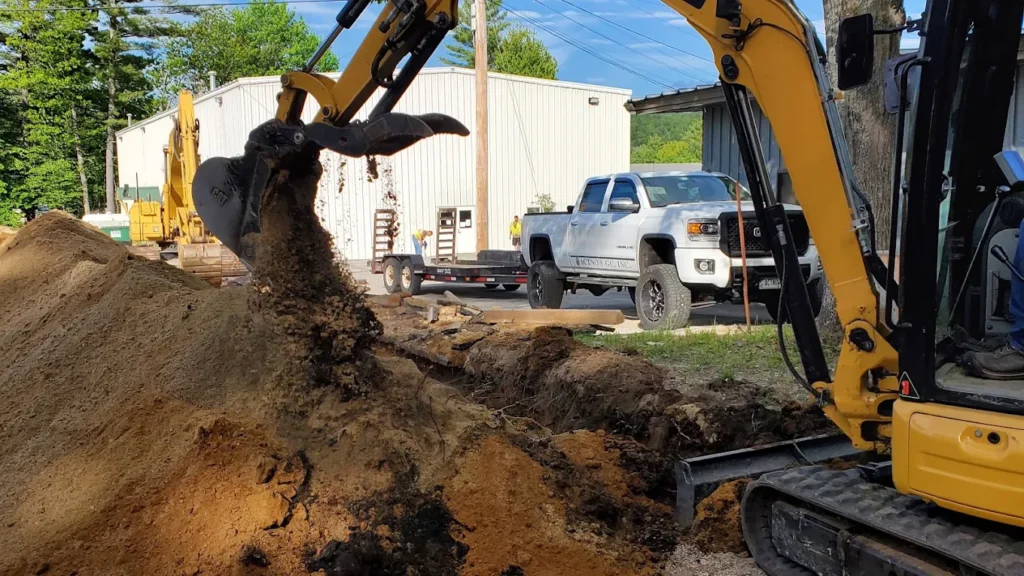
What Are the Common Signs of a Failing Septic Leach Field?
Several symptoms can indicate that a septic drain field is not functioning properly. Although these signs do not always confirm leach field failure, they are reasons to investigate further.
1. Standing Water or Soggy Ground Around the Leach Field
One noticeable warning sign is unusually wet or spongy ground around the drain field, especially during dry weather.
If wastewater cannot soak into the soil properly, it may rise toward the surface and create persistent wet patches. You might notice standing water or muddy areas even when there has been little or no rainfall.
Pay attention to areas directly above or around the septic drain field. Persistent moisture in these locations may indicate a drainage or septic system problem.
2. Strong Sewage Odors Around Your Yard
A properly functioning septic system should not produce strong, persistent sewage odors around your property.
If you notice unpleasant smells near the septic tank or leach field, wastewater may not be draining or treating as expected. These odors can become more noticeable during warm weather or when the system is under heavy use.
A recurring sewage smell in your yard should be investigated rather than covered up with fragrances or landscaping products.
3. Slow Drains and Gurgling Plumbing
Slow-draining sinks, showers, bathtubs, and toilets can sometimes indicate a problem with your septic system.
You may also hear bubbling or gurgling sounds when water drains or when a toilet is flushed. These symptoms can occur when wastewater is having difficulty moving through the system.
However, slow drains do not automatically mean the leach field is failing. A blocked household drain, clogged sewer pipe, or full septic tank can produce similar symptoms. Proper inspection helps identify the actual cause.
4. Unusually Green or Fast-Growing Grass
Have you noticed a patch of grass above your septic drain field that looks much greener or grows faster than the surrounding lawn?
Excess moisture and nutrients from wastewater can sometimes encourage unusually lush grass growth. This may happen when wastewater is reaching areas where it should not be surfacing.
Although healthy-looking grass might seem harmless, unusual growth combined with wet ground or sewage odors can be a warning sign of septic field problems.
5. Sewage Backups Inside Your Home
Sewage backing up into toilets, sinks, showers, or basement drains is a serious warning sign.
A septic system that cannot handle wastewater properly may contribute to backups inside the home. However, blockages in the plumbing or sewer line can also cause this problem.
Avoid contact with sewage and arrange professional assistance promptly. Wastewater exposure can create health and sanitation risks.
What Causes a Septic Leach Field to Fail?
Understanding common causes can help homeowners recognize conditions that put their septic systems at risk.
Excessive Water Usage
Sending too much wastewater into a septic system can overwhelm its capacity. Frequent laundry loads, long showers, and leaking faucets or toilets can increase the amount of water entering the system.
When wastewater enters faster than the soil can absorb it, the drain field may become saturated.
Poor Septic System Maintenance
Septic tanks require appropriate maintenance. When accumulated solids are not managed properly, they can move into the drain field and contribute to blockages.
Following a suitable inspection and maintenance schedule helps identify potential problems before they become more serious.
Tree Roots, Soil Compaction, and Drainage Problems
Tree roots may enter damaged or vulnerable pipes and interfere with wastewater movement. Heavy vehicles or equipment driven over the drain field can compact the soil and reduce its ability to absorb water.
Poor surface drainage and excessive rainwater can also contribute to soil saturation.
What Should You Do If You Notice These Warning Signs?
If you suspect a failing septic drain field, taking a few precautions can help reduce further problems while you arrange an inspection.
Reduce Water Usage
Limit unnecessary laundry, long showers, and other activities that send large amounts of wastewater into the system. Repair leaking plumbing fixtures to prevent additional water from entering the septic system.
Keep People and Pets Away From Wet Areas
Avoid walking, mowing, or driving over areas that appear saturated. If wastewater is surfacing, keep children and pets away and avoid direct contact.
Arrange a Professional Septic System Inspection
Do not assume that a wet yard or slow drain automatically means the leach field needs replacement. A qualified septic professional can evaluate the system, identify the cause, and recommend appropriate next steps.
Early investigation can help prevent a minor issue from developing into a more extensive problem.
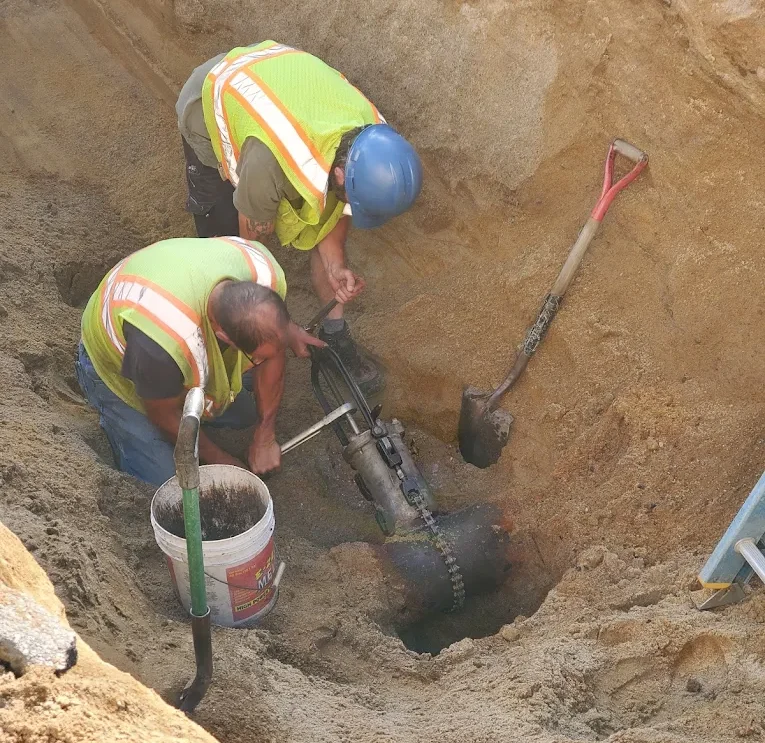
How Can Homeowners Prevent Septic Leach Field Problems?
Although not every septic system problem can be prevented, responsible use and routine maintenance can help protect your drain field.
- Schedule regular inspections: Follow a maintenance schedule appropriate for your septic system and local requirements.
- Avoid overloading the system: Spread out laundry loads and avoid sending excessive water into the septic tank at once.
- Fix plumbing leaks: Repair leaking toilets and faucets to reduce unnecessary wastewater.
- Protect the drain field: Avoid parking vehicles or placing heavy structures over the field.
- Be mindful of landscaping: Keep deep-rooted trees and shrubs away from septic pipes and the drain field.
These habits can help maintain proper drainage and reduce unnecessary stress on your septic system.
When Should You Contact Actnow GC Inc. in South Paris, ME?
Persistent sewage odors, unusual wet spots, slow drainage, and wastewater backups are all reasons to investigate possible plumbing or septic system problems.
Actnow GC Inc. provides plumbing and drainage services for residential and commercial customers in South Paris and surrounding communities. Its service offerings include leach field inspection, drain cleaning, video pipe inspection, and other drainage-related solutions.
If you are experiencing drainage concerns or want to discuss a possible leach field issue, contact the team to learn how it can help. For septic-specific diagnosis or repairs beyond the company’s confirmed services, a qualified septic professional may also be needed.
Frequently Asked Questions About Failing Septic Leach Fields
What Is the First Sign of a Failing Leach Field?
Persistent wet or spongy ground around the drain field, sewage odors, and unusual drainage problems can be early warning signs. An inspection is needed to confirm the cause.
Can a Failing Leach Field Cause Slow Drains?
Yes. A malfunctioning septic system can contribute to slow drains throughout the home. However, individual plumbing clogs and sewer line blockages can cause similar symptoms.
Can a Septic Leach Field Be Repaired?
Some leach field problems may be repairable, depending on their cause and severity. A qualified septic professional should inspect the system before recommending repairs or replacement.
How Often Should a Septic System Be Inspected?
The U.S. Environmental Protection Agency generally recommends having a septic system inspected every one to three years. The appropriate schedule can vary depending on system type, household use, and local requirements.
Contact Actnow GC Inc. for Plumbing and Drainage Services
Noticing unusual odors, standing water, or recurring drainage problems around your property? Do not ignore these warning signs. Understanding the cause is the first step toward finding the right solution.
Actnow GC Inc. serves South Paris, Oxford County, and nearby communities with plumbing and drainage services. Contact the team to discuss your concerns and ask about available inspection services.
Actnow GC Inc.
- Phone: 207-539-4872
- Email: actnow_plumbing@yahoo.com
- Address: 517 Main St #3146, Oxford, ME 04270, United States
- Actnow GC on Google Maps
Get in touch with Actnow GC Inc. today to discuss your plumbing and drainage concerns.